Facebook Billygram
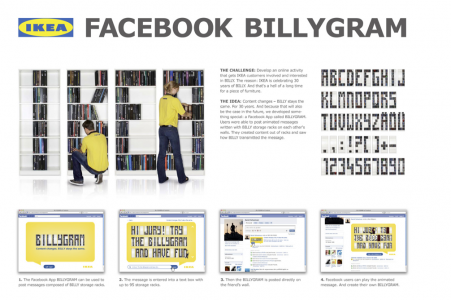
Chiara, December 23rd, 2010A Facebook App called BILLYGRAM. Users were able to post animated messages written with BILLY storage racks on each other’s walls.
http://www.ibelieveinadv.com/2010/07/ikea-facebook-billygram/
A Facebook App called BILLYGRAM. Users were able to post animated messages written with BILLY storage racks on each other’s walls.
http://www.ibelieveinadv.com/2010/07/ikea-facebook-billygram/
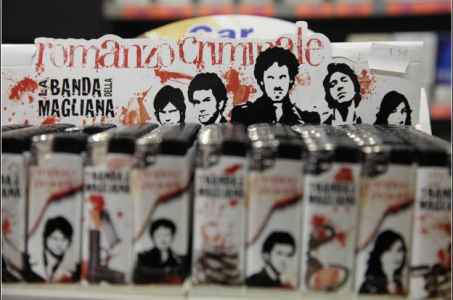
“Preoccupano le segnalazioni relative alla vendita, in alcune tabaccherie di Via della Magliana, di accendini recanti la scritta “Banda della Magliana” correlata da immagini di bossoli e schizzi di sangue. Abbiamo chiesto di effettuare sopralluoghi nell’area e valutare il ritiro dal commercio degli accendini che pubblicizzano di fatto organizzazioni malavitose, inneggiando alla violenza”.
La denuncia è di Fabrizio Santori, presidente della Commissione sicurezza di Roma Capitale, che ha raccolto le lamentele di alcuni genitori.
Da qualche tempo circola anche un’app per iPhone permette anche di giocare con Dandy e il Freddo, con indicazioni anche sul look anni’70.
http://roma.repubblica.it/cronaca/2010/12/17/foto/banda_della_magliana_malavita_e_gadget-10341065/1/

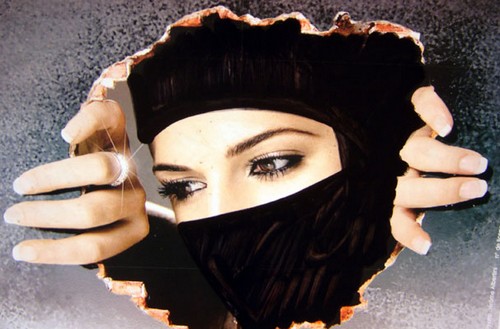
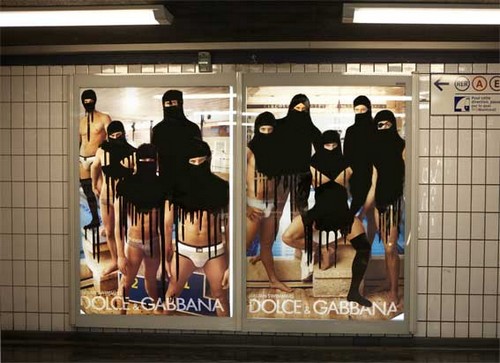

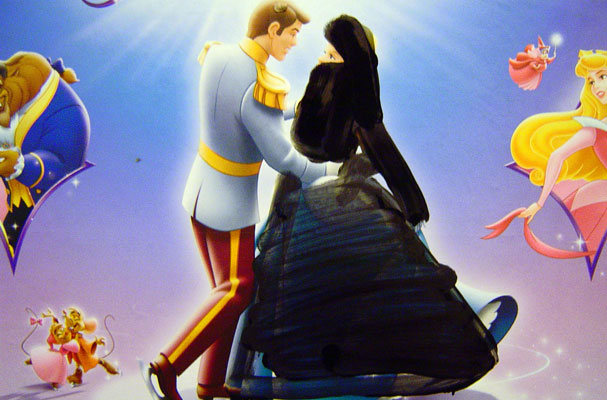
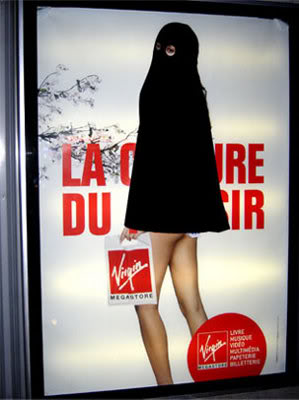

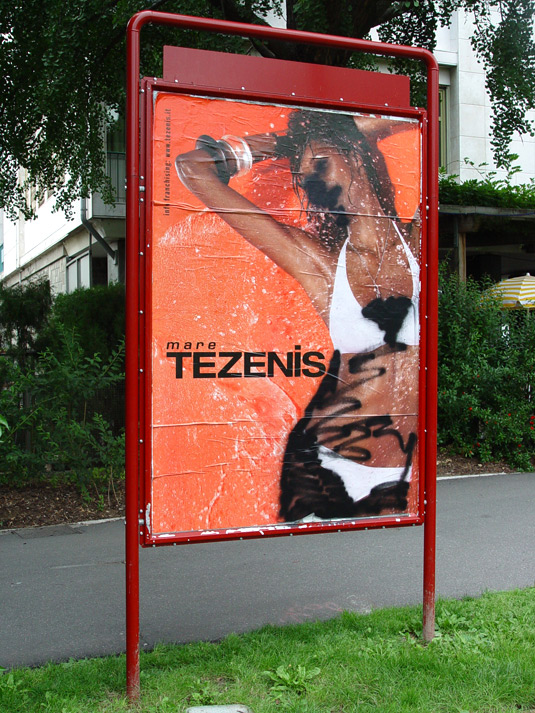
Beeindruckend effizient und effektiv sind die Übermalungen von Princess Hijab. Neben Ihren grafischen Interventionen aus Werbeplakaten gibt ihre Web-Site Rätsel auf. Das geschickte Spiel mit Identität irritiert und erzeugt Aufmerksamkeit.
Ein Phantom geht um nachts in Paris. Es nennt sich “Princess Hijab”, die “Schleierprinzessin”, und verzaubert Plakate in Manifeste. Leicht bekleidete Models und glamouröse Schauspieler finden sich bei Morgengrauen plötzlich in einer keuschen schwarzen Burka wieder oder lugen beschämt unter einem Tschador hervor. “Hijabisierung” nennt die Urheberin ihre Kunst und erregt damit einiges Aufsehen.
aus “Wer ist Princess Hijab?” von Carmen Lünsmann.
Im Gegensatz zum “Bozner Sprüher” scheint aberPrincess Hijab viel eher ein “Kunstprojekt” zu sein, als religiös motiviert. Ersterer übersprüht seit Jahren konsequent unkeusche Plakate oder genauer die allzu erotischen Zonen. Auch sehr effizient und effektiv. In Bozen kennt jeder sein / ihr “Werk”. Und die unverkünstelte Rohheit der Übersprühungen hat ausserdem auch seinen Reiz. Die Motivation ist also egal, solange der Effekt uns etwas über unsere Welt und uns selbst sagt.
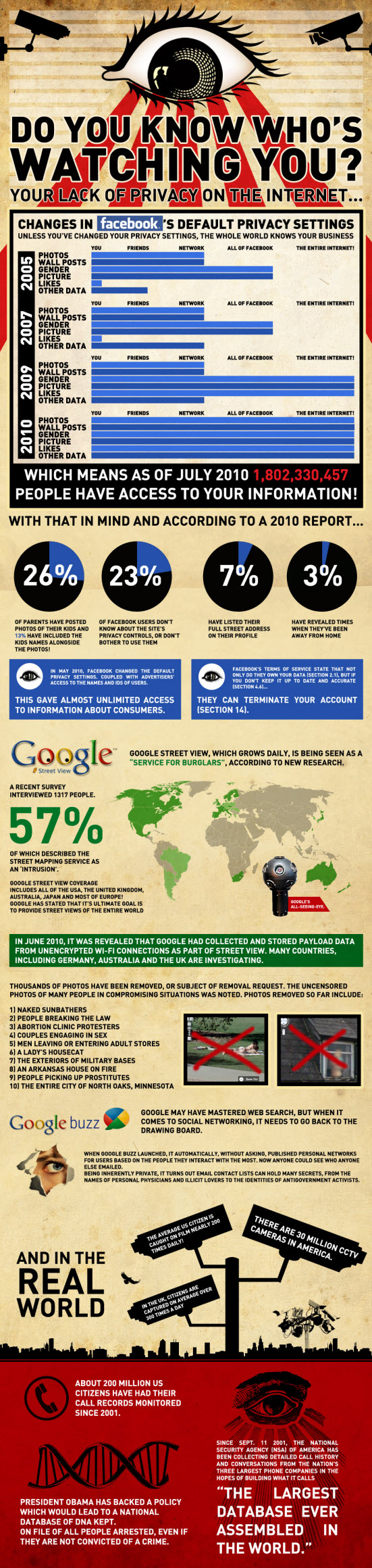
Interessante Infografiken über den Datenschutz und Privacy bei Google und facebook. Have a look.
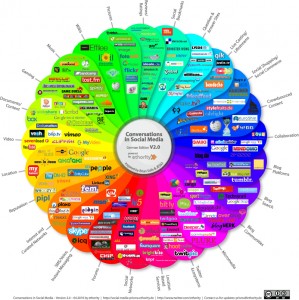
This design breaks down virtual social communities into the top websites used for each form of communication (e.g. pictures, blog platforms, and so forth). The somewhat mediocre choice in design is blown away by the vastness of the information presented. Note: if you have never heard of some of these sites, it’s okay. The infographic is the “German edition.”
(Erste Fassung vom 25.11.2011, wesentlich ergänzt am 1.12.2011)

“FLIMÈ – das beste Fleisch der Stadt” – in Berlin eröffnet ein Restaurant, das Menschefleich anbietet! Diese Idee wird glaubhaft inszeniert, in Berlin und im “Social Web” verbreitet. Das gekonnte Spiel mit der Irritation provoziert ein umfangreiches Medienecho. Am Ende entpuppt sich alles als eine Kampagne des Vegetarierbundes Deutschland, der damit auf die Kollateralschäden des Fleischkonsums aufmerksam machen will. Diese reichen so weit, daß sie den Menschen selbst schaden und sie sich durch den übertriebenen Fleischkonsum also selbst kannibalisieren.
Alles Weitere erklären die Filme recht anschaulich. Am kompaktesten wird das Ganze von der Agentur Serviceplan präsentiert, die hiermit für die Effizienz und Effektivität ihrer kreativen Kampagne wirbt:
(Die die Namen der “Kreativen”)
Hier das Statement vom Vegetarierbundes:
… und die Darstellung in den Tagesthemen:
… und schlussendlich das Filmchen, mit dem der Vegetarierbund die desaströsen Auswirkungen des Fleischkonsums darstellt, und hofft, dass die Aufmerksamkeit und die Sensibilisierung, die durch “Flimé” erzielt wurde das Publikum dazu bewegt die Botschaften wahrzunehmen:
Brave New World is a novel by Aldous Huxley, written in 1931 and published in 1932. Set in London of AD 2540 (632 A.F. in the book), the novel anticipates developments in reproductive technology and sleep-learning that combine to change society. The future society is an embodiment of the ideals that form the basis of futurism.
Brave New World Revisited, written by Huxley almost thirty years after Brave New World, was a non-fiction work in which Huxley considered whether the world had moved toward or away from his vision of the future from the 1930s. He believed when he wrote the original novel that it was a reasonable guess as to where the world might go in the future. In Brave New World Revisited, he concluded that the world was becoming like Brave New World much faster than he originally thought.
(written on 31.10., updated significantely on 1.12.2010)
Wikileaks reveals facts behind global politics and the motivations of its actors. Both is often hidden behind the rhetorics of political communication (in form of official declarations, PR and all other forms of strategic communication). So wikileaks makes it possible to confront strategic communication with the reality of unvarnished communication and with facts – and shows the discrepancies. De-Branding on a very large scale.
The tactical reactions of the damaged political actors take place on all levels:
Its also quite interesting how different newspaper in different countries write about the leaks. Some examples of today, 31.10.2010:
The print version of the Italian Corriere della Sera occupies almost half of its pages to leak-related stories (typically italian much of it is gossip-oriented). While in the cool Swiss NZZ apear just a few columns with observations on the media echo of the leaks. Obviously Der Spiegel, The Guardian, Le Monde, El Pais and The New York Times dedicate huge sections of their web site to the topic (they exclusevely got the material first in oder to proof it, etc… and obviously pro prepare the publicity).
The whole media presence is overwhelming and not digestible by me, but it seems to be worth studying. Is the some structured study of this case going on? Who is doing it? Apart from the reactions to the leaks and the above mentioned communication warfare, it would be interesting to get an better understanding of the leak itself. Is the data set complete? If not, what kind of selection is it? What was the process of selection? What are the motivations for this selection? Are there hidden interests? Or hidden players? etc.
Here i want to post two videos from “democracy now“, which point out the relevance of transparency and so justify the leaks.